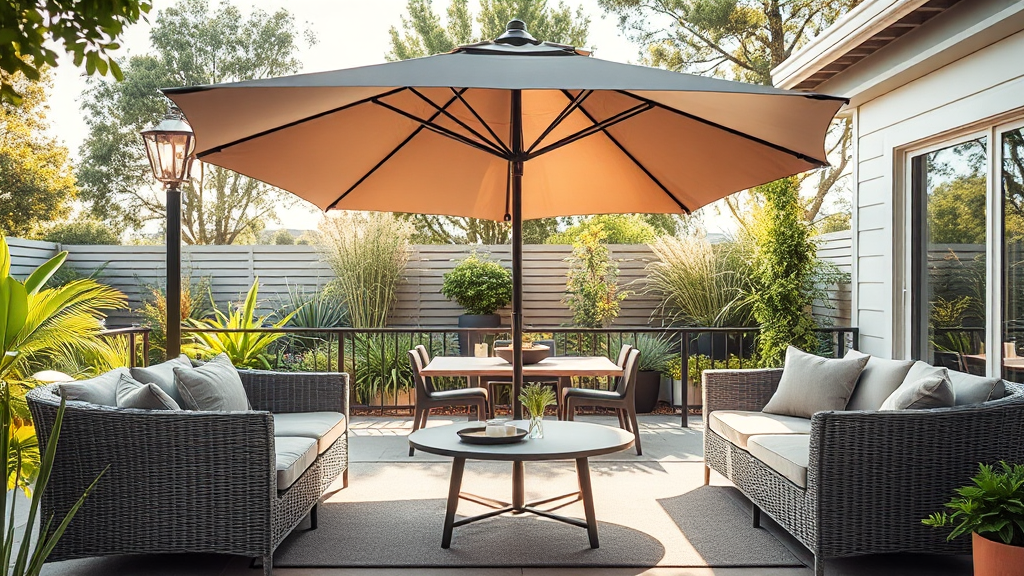
How to Choose Outdoor Furniture That Lasts Through Every Australian Season
Australia’s love affair with alfresco living is no secret. From balmy summer evenings to crisp winter mornings, the backyard, patio, or balcony becomes an extension of the home—a place to gather, relax, and entertain. But with such a wide range of materials, styles, and price points available, finding the right outdoor furniture can feel overwhelming. The key is to balance aesthetics, durability, and comfort while keeping the local climate firmly in mind. Whether you’re furnishing a compact courtyard or a sprawling entertainer’s deck, the choices you make today will determine how well your space holds up for years to come.
This guide walks you through the essential factors—from material selection and layout planning to maintenance and seasonal care—so you can make an informed decision. We’ll also explore popular configurations like lounge settings, dining sets, and modular pieces, and highlight the benefits of buying from a trusted retailer. By the end, you’ll have a clear picture of what to look for and how to create an inviting outdoor retreat that truly stands the test of time.
Why Material Matters in Outdoor Furniture
The Australian climate can be punishing. Intense UV rays, salt-laden coastal breezes, heavy rain, and even hail can take a toll on poorly constructed pieces. That’s why the material choice is the single most important decision you’ll make. Let’s break down the most common options and their pros and cons.
Aluminium: Lightweight and Rust-Resistant
Aluminium is a favourite for modern outdoor furniture australia because it’s lightweight, easy to move, and naturally resistant to rust. It’s ideal for coastal areas where salt spray quickly corrodes other metals. Many aluminium frames come with a powder-coated finish, adding an extra layer of protection against scratches and fading. However, aluminium can heat up in direct sun, so consider pairing it with thick cushions for maximum comfort.
Wicker and Rattan: Classic Style with a Modern Twist
Wicker (often made from synthetic resin or PE rattan) has made a huge comeback in recent years. It offers a warm, organic look that suits both traditional and contemporary settings. Synthetic wicker is UV-stabilised and water-resistant, making it perfect for outdoor use. It’s also surprisingly durable, though it’s best to store cushions separately when not in use to prolong their life. Look for tightly woven wicker with a sturdy aluminium or steel frame underneath.
Hardwood: Timeless Beauty with High Maintenance
Hardwoods like teak, eucalyptus, and acacia are prized for their natural beauty and strength. Teak, in particular, contains natural oils that make it resistant to rot and insects. Over time, untreated hardwood weathers to a silvery-grey patina, which many homeowners find attractive. The flip side is that hardwood requires regular sealing or oiling to maintain its original colour. If you love the look but don’t want the upkeep, consider a lower-maintenance alternative like aluminium with a wood-grain finish.
Steel and Iron: Heavy-Duty but Prone to Rust
Powder-coated steel and wrought iron offer exceptional sturdiness and a classic, elegant appearance. They’re great for windy areas where lightweight pieces might blow over. The downside is weight—moving them around can be a chore—and the risk of rust if the coating gets scratched. Always check for galvanised or otherwise treated options, and touch up any chips immediately.
Lounge Settings: The Heart of Outdoor Comfort
Once you’ve settled on a material, it’s time to think about how you’ll use your space. For many Australian households, the outdoor lounge is the go-to spot for morning coffees, afternoon reading, and evening chats. Lounge settings typically include a sofa or daybed, armchairs, and a coffee table. When shopping, pay attention to the depth of the seats and the angle of the backrest—you want something that invites you to sink in and stay a while.
A 3 piece outdoor setting is a compact option that works well for balconies or small patios. It usually consists of a two-seater lounge and two chairs, providing enough seating for a couple or a small family. If you entertain frequently, consider a larger outdoor lounge setting with a combination of sofas, ottomans, and a coffee table. The key is to measure your available space before you buy—there’s nothing worse than a lounge that overwhelms the area or leaves no room for walking.
Modular vs. Fixed Lounges
Modular lounges are made up of separate pieces that can be rearranged to suit different occasions. You can create an L-shape for a cosy corner, pull the pieces apart for more seating, or even form a sunbed. This flexibility is a huge advantage if you like to change your layout often. Fixed lounges, on the other hand, offer a more streamlined look and are often more affordable. Both have their merits, but if you have the budget, an outdoor modular lounge is a worthwhile investment.
For corner spaces, an outdoor corner lounge maximises seating without wasting valuable floor area. These are designed to fit neatly into the corner of a deck or patio, creating a natural focal point. Pair it with a matching outdoor coffee table to complete the look and provide a surface for drinks and snacks.
Dining Sets: Alfresco Meals Made Memorable
Outdoor dining is a staple of Australian living. Whether it’s a weekend barbecue, a birthday celebration, or just a casual weeknight dinner, having the right outdoor dining set can transform your meals. The first thing to consider is how many people you need to seat. A 7 piece outdoor dining setting typically includes a table and six chairs, perfect for larger families or those who love to host. If space is tighter, a round outdoor table with four chairs can create a more intimate atmosphere and encourages conversation. outdoor table
When choosing a table, think about the material of the top. Glass, ceramic, and stone are easy to clean but can be heavy and prone to cracking in extreme temperatures. Timber tables add warmth but require sealing. Aluminium and synthetic options are lightweight and weather-resistant. Also, consider an extendable outdoor dining table—it’s a smart solution if you occasionally need extra seating but don’t want a bulky table taking up space all year round.
Chairs: Comfort Meets Durability
Dining chairs should be comfortable enough for long, leisurely meals. Look for chairs with contoured seats and backs, and consider adding cushions for extra padding. Stackable chairs are a great space-saver when not in use. If you’re shopping for outdoor dining chairs, test how they feel to sit on—some designs look great but are surprisingly uncomfortable after half an hour.
Creating a Cohesive Outdoor Living Space
Once you’ve selected your main pieces, it’s time to tie everything together. A well-designed outdoor space feels like a natural extension of your indoor home. Start by defining zones: a lounge area for relaxing, a dining area for meals, and maybe a corner for a BBQ or drinks trolley. Use outdoor rugs to anchor each zone and add colour and texture. Outdoor cushions, throws, and planters can inject personality, while string lights or lanterns create a warm ambience after dark.
Don’t forget about shade. An umbrella, pergola, or shade sail not only protects you from the sun but also helps your outdoor table and chairs last longer by reducing UV exposure. Similarly, investing in quality outdoor setting during the off-season can significantly extend the life of your pieces.
Maintenance Tips to Extend the Life of Your Outdoor Furniture
No matter how durable your outdoor sofa or outdoor armchair is, a little TLC goes a long way. Here are some practical tips:
- Clean regularly: Wipe down frames and tables with a mild detergent and water. Avoid harsh chemicals that can strip protective coatings.
- Protect cushions: Store cushions indoors when not in use, or use waterproof covers. Most cushions have removable, washable covers—follow the care instructions.
- Check for rust: If you spot any chips in powder-coated metal, sand the area and apply a touch-up paint to prevent corrosion.
- Oil hardwood: For teak and other hardwoods, apply a protective oil once or twice a year to maintain the colour and prevent cracking.
- Keep it covered: In extreme weather, use covers or move furniture under a covered area. This is especially important for aluminium outdoor lounge frames and wicker outdoor lounge pieces, which can fade or become brittle with prolonged exposure.
Why Buying from a Specialist Retailer Matters
When it comes to investing in outdoor furniture sets, the retailer you choose is just as important as the products themselves. A specialist retailer like Neat Furniture understands the unique demands of the Australian climate and curates a range that is both stylish and built to last. They offer a wide selection of outdoor tables, round outdoor dining tables, outdoor couches, and more, all from reputable brands. Plus, with free delivery on orders over $100 and a 30-day return policy, you can shop with confidence.
Whether you’re after a couch outdoors that feels like your favourite indoor sofa, a durable dining table for outdoor use, or a complete outdoor lounge set, having a knowledgeable team behind you makes all the difference. They can advise on the best materials for your specific location, help you visualise how pieces will fit together, and ensure you get the most value for your budget.
Frequently Asked Questions
What is the most durable material for outdoor furniture?
Aluminium and synthetic wicker are among the most durable options for Australian conditions. Aluminium is rust-proof and lightweight, while high-quality synthetic wicker is UV-stabilised and water-resistant. Both require minimal upkeep and can last for many years with proper care.
How do I protect my outdoor furniture from the sun?
Use furniture covers when not in use, position pieces under shade structures, and apply UV-protective sprays or treatments to materials like wood and fabric. Choosing UV-stabilised materials from the start is also a wise move.
Can I leave outdoor cushions outside all year?
It’s best to bring cushions indoors or store them in a dry, covered area during extreme weather or the off-season. Even water-resistant fabrics can degrade over time with constant exposure to rain and sun.
What’s the difference between a lounge setting and a dining set?
A lounge setting is designed for relaxation and typically includes low sofas, armchairs, and a coffee table. A dining set is higher and includes a table and chairs for eating meals. Many outdoor spaces incorporate both zones to accommodate different activities.
How often should I clean my outdoor furniture?
A weekly wipe-down with a damp cloth is usually sufficient to remove dust and debris. A deeper clean with mild soap and water once a month will keep frames and surfaces looking fresh. Always check the manufacturer’s recommendations.
Final Thoughts
Creating a beautiful and functional outdoor area is one of the most rewarding home improvements you can make. With the right outdoor furniture, you can enjoy your backyard to the fullest—whether that’s hosting a lively barbecue, reading a book in the sun, or simply unwinding after a long day. Remember to prioritise materials that suit your climate, choose pieces that fit your space and lifestyle, and invest in quality that will stand the test of time.
If you’re ready to start your outdoor makeover, explore the extensive range available at Neat Furniture. From outdoor furniture sale events to outdoor furniture clearance deals, you’ll find exceptional value on premium pieces. And with their focus on Australian conditions, you can rest assured that your new patio furniture will keep looking great for many seasons to come.