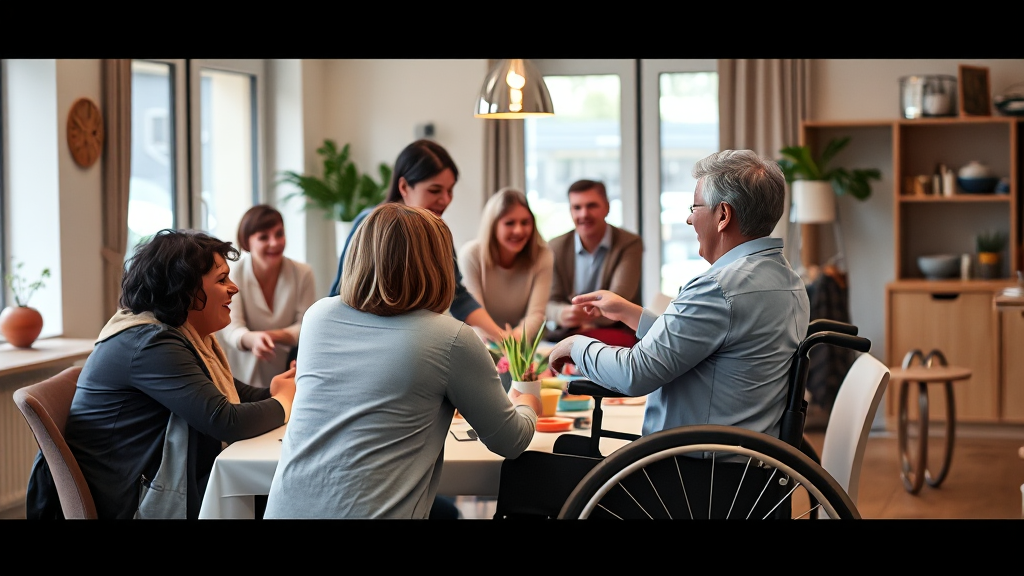
Participation Social: Building Inclusive Communities Through Meaningful Engagement
Social participation is more than just being present in a community; it is about active involvement, building relationships, and contributing to shared experiences. For individuals with disabilities, genuine Participation Social opportunities can transform their quality of life. In this article, we explore what social participation means, why it matters, and how NDIS services help people with disabilities engage in their communities. We will also highlight the role of a NDIS Provider in facilitating these opportunities, and offer practical guidance for families, carers, and participants themselves.
At its core, social participation is about belonging. It is the difference between sitting on the sidelines and being part of the game. For many people with disability, barriers such as lack of accessible transport, limited social networks, or inadequate support can make participation feel out of reach. However, with the right Registered NDIS support, these barriers can be overcome. Whether it is joining a local sports club, attending a community event, or simply catching up with friends at a café, every act of participation builds confidence and fosters independence.
The Importance of Social Participation for People with Disability
Social participation is not a luxury; it is a fundamental human right. The United Nations Convention on the Rights of Persons with Disabilities (UNCRPD) emphasises the importance of full and effective participation in society. When people with disability are excluded from social activities, they miss out on opportunities to develop skills, form friendships, and experience a sense of purpose. This exclusion can lead to loneliness, depression, and a reduced quality of life. Conversely, active social participation improves mental health, increases self-esteem, and promotes physical well-being through engagement in recreational activities.
For NDIS participants, social participation is often funded under the “Community Participation” category. This funding can be used to access a range of activities, from group outings and day programs to one-on-one support for community engagement. A Provider Melbourne like Caring Hearts understands that every participant is unique, and tailors support to match individual goals and interests. Whether the goal is to learn new skills, make friends, or simply explore the local area, the right provider will help participants find their place in the community.
How NDIS Community Participation Works
The National Disability Insurance Scheme (NDIS) recognises that social and community participation is a key outcome for people with disability. Under the NDIS, participants can receive funding for support workers to accompany them to community activities, assist with transport, and provide guidance in social settings. This is often referred to as NDIS Community participation. It is designed to help participants build their capacity to engage in social and recreational activities, both with support and independently over time.
One of the most effective ways to encourage social participation is through Community Participation Support. This service provides a support worker who works alongside the participant, helping them to identify activities that match their interests and goals. The support worker may assist with communication, provide emotional encouragement, or help with practical tasks like ordering food or using public transport. The ultimate aim is to build the participant’s confidence and skills so that they can eventually participate with less support.
Overcoming Barriers to Social Participation
Despite the clear benefits of social participation, many people with disability face significant barriers. These can be physical, such as inaccessible buildings or lack of adapted transport; social, such as stigma or lack of understanding; or personal, such as anxiety or low confidence. A skilled Disability Care Services provider will work with participants to identify these barriers and develop strategies to overcome them. This might involve practising social skills in a safe environment, gradually exposing the participant to new situations, or advocating for accessible community venues.
Another common barrier is the lack of suitable activities. Many community groups are not inclusive by default, and participants may feel unwelcome or out of place. That is why Supported Independent Living providers often organise their own social groups and day programs. These provide a supportive environment where participants can meet others with similar experiences, try new activities, and build friendships. Specialised Disability services, such as those offered by Caring Hearts, often include social skills training and community access support as part of a holistic care plan.
The Role of Daily Living Support in Social Participation
Social participation does not happen in a vacuum; it is closely linked to daily living skills. For example, a person who needs help with personal care may be unable to attend a morning social group if they do not have adequate Accommodation support. Similarly, someone who requires assistance with meal preparation might struggle to join a cooking class. That is why NDIS Daily Living support and Personal Care are essential components of a participation-focused plan. By addressing these foundational needs, participants are free to focus on social engagement.
Many NDIS participants also benefit from Daily Living Support that is integrated with community activities. For instance, a support worker might help a participant with morning routines, then accompany them to a community event, and later assist with shopping or cooking as part of the social outing. This holistic approach ensures that social participation is not an isolated activity but part of a fulfilling daily life. Caring Hearts, a Registered NDIS provider in Melbourne, excels at creating such seamless support plans.
Specialised Programs and Allied Health Involvement
Social participation is not just about socialising; it also involves building skills that enable participation. Allied health professionals play a crucial role in this. For example, Physiotherapy can help improve mobility, making it easier for participants to access community venues. Occupational Therapy can address sensory sensitivities or fine motor skills needed for certain activities. Speech Pathology can assist with communication, both verbal and non-verbal, which is essential for interacting with others. Psychology/Counselling can help manage anxiety or social phobias, while Exercise Physiology can design fitness programs that are both social and health-promoting.
These allied health services are often provided by a NDIS Allied Health Services team, which works alongside support workers to ensure that all aspects of a participant’s development are addressed. For example, a participant might attend a Day Programs that includes both social activities and therapeutic exercises. Caring Hearts also offers a Fitness Centre where participants can work out in a supportive environment, and High Intensity Care for those with complex medical needs, ensuring that even participants with significant health challenges can enjoy social opportunities.
Respite and Short-Term Accommodation as a Gateway
Sometimes, participants and their families need a break from their usual routines. Respite Care and short-term accommodation (STA) provide an opportunity for participants to experience new environments and meet new people, all while receiving the support they need. These services can be a gateway to greater social participation, as they often include group activities and community outings. For example, a participant might stay at a STA facility for a weekend and attend a local festival, or take part in a cooking workshop. This not only gives the participant a chance to socialise but also gives their usual carers a well-deserved rest.
Caring Hearts provides both STA and MTA (medium-term accommodation) options, which are designed to feel like home while offering 24-hour support. For participants who are transitioning to Supported Independent Living, these accommodation options can serve as a stepping stone. During their stay, participants can build the skills they need for more independent living, including social skills, budgeting, and cooking. 24-hour care / disability support ensures that participants are safe and well-cared for, while also providing opportunities for social engagement both within the facility and in the wider community.
How Support Coordination Facilitates Participation
Navigating the NDIS can be complex, which is why NDIS Support Coordination is so valuable. A support coordinator helps participants understand their plan, find suitable providers, and make the most of their funding. When it comes to social participation, a support coordinator can identify community groups, classes, and events that align with the participant’s interests. They can also help coordinate transport, arrange for support workers, and ensure that all services work together effectively. Caring Hearts offers support coordination as part of its suite of services, helping participants in Melbourne and surrounding areas, including (Dandenong), to access the community.
Social participation is not a one-size-fits-all endeavour. For some, it may mean joining a book club; for others, it might be volunteering at an animal shelter. The key is to find activities that are meaningful to the individual. A good support coordinator will take the time to get to know the participant, their goals, and their preferences, and then match them with opportunities that are both enjoyable and developmental. This personalised approach is at the heart of effective Participation Social support.
Technology and Telehealth in Expanding Social Horizons
In today’s digital age, social participation is not limited to physical locations. Telehealth has opened up new avenues for connection, allowing participants to engage in therapy sessions, social groups, and educational classes from the comfort of their own homes. This is particularly beneficial for those with mobility issues or those living in remote areas. Telehealth can also be used to provide Psychological Support, helping participants manage the emotional aspects of social interaction. Caring Hearts includes telehealth options in its allied health services, ensuring that geography is not a barrier to participation.
Moreover, online communities can be a valuable supplement to in-person activities. Participants can join virtual book clubs, gaming groups, or hobby forums, broadening their social networks beyond their immediate locality. However, it is important to balance online and offline interactions, as face-to-face communication has unique benefits. A skilled support worker can help participants navigate the digital world safely and use technology to enhance, not replace, real-world connections. This is especially relevant for pediatrics, as children and young people are increasingly growing up in a digital environment. Teaching them to use technology for positive social interaction is a crucial life skill.
Conclusion
Social participation is a vital part of a fulfilling life, and for people with disability, it is an essential goal of NDIS support. By removing barriers, providing tailored support, and fostering inclusive communities, we can ensure that everyone has the opportunity to participate fully in society. Whether through community groups, day programs, or online connections, the benefits of social participation are profound. If you or a loved one are looking to enhance social participation, consider reaching out to a NDIS Provider that offers comprehensive Community Participation Support. With the right help, everyone can find their place in the community and enjoy the richness of social connection.
Frequently Asked Questions
What is social participation under the NDIS?
Social participation under the NDIS refers to the support provided to help participants engage in community, social, and recreational activities. This can include assistance with transport, support workers to accompany participants, and funding for activity costs. The goal is to build skills and confidence for independent participation.
How can a support worker help with social participation?
A support worker can assist with social participation by helping participants identify suitable activities, providing transportation, offering emotional encouragement, and helping with communication or practical tasks during outings. They also help participants develop social skills and build confidence over time.
What types of activities count as social participation?
Social participation activities are diverse and can include joining a sports club, attending art classes, volunteering, going to social groups, visiting friends, or participating in community events. The key is that the activity involves interaction with others and contributes to a sense of belonging.
Can social participation support be combined with other NDIS services?
Yes, social participation support is often combined with other services like personal care, daily living support, and allied health therapies. This holistic approach ensures that participants have their foundational needs met, allowing them to fully engage in social activities.